
Curia; Exhibition Management Software
Project: SaaS bringing every exhibition discipline — and the record for every object — into one system
Role: Principal designer
Method: Contextual inquiry with teams at the Detroit Institute of Arts and the Smithsonian
Outcome: ~30% less coordination effort; ~15% faster from planning to exhibition-ready
Accelerating museum exhibition planning and management.
The product was designed from direct observation of the people who do this work.
We ran contextual inquiry with teams at the Detroit Institute of Arts and the Smithsonian, watching how exhibitions actually get planned rather than how the process is documented. That meant sitting with each discipline separately, then tracing the handoffs between them — which is where most of the friction lives.
Three areas emerged: how objects are catalogued and tracked, how exhibition timelines are planned and revised, and how project management runs across teams that don't share a reporting line. Curia was scoped to those three, because they were the ones every discipline touched.


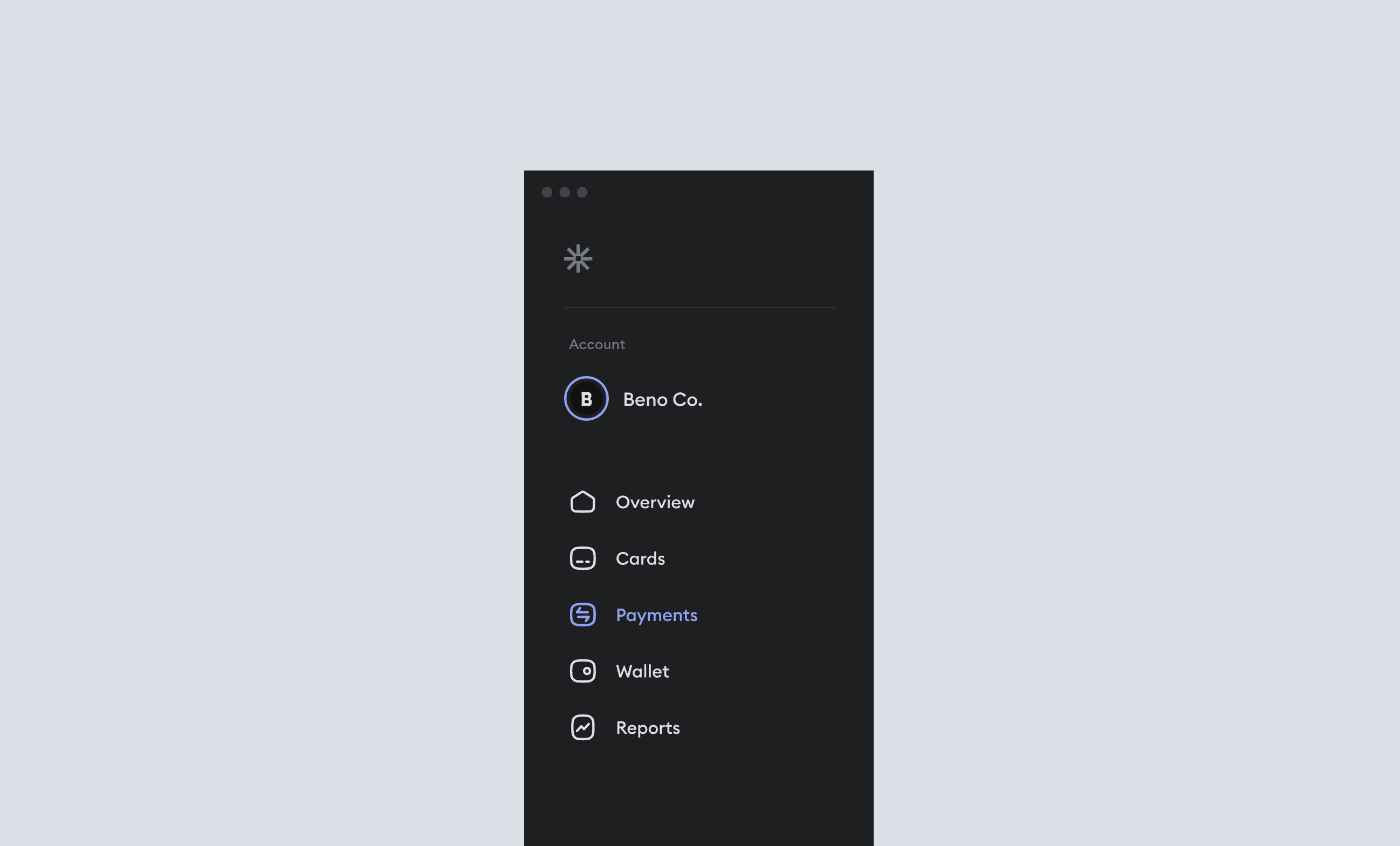


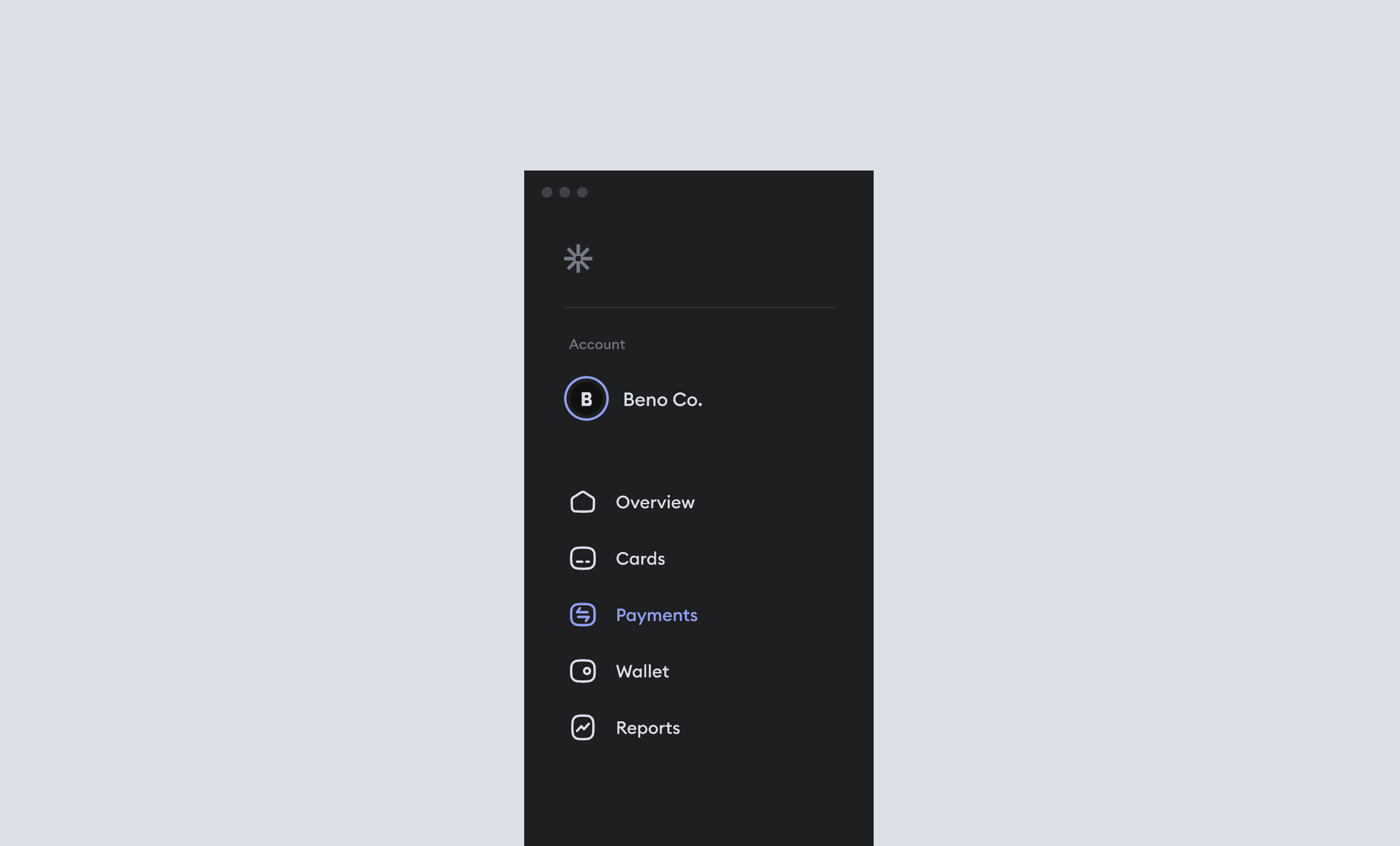
One system, every discipline. Curia replaces parallel spreadsheets, email chains, and departmental tools with a shared environment where curatorial, registration, conservation, design, and outside vendors all work from the same plan.
A single source of truth for objects. Every artwork carries its own record — location, condition, handling requirements, history — so "where is this piece and what does it need?" has one answer instead of five.
Planning built for exhibitions. Timelines, dependencies, and responsibilities modeled on how exhibitions are actually mounted, rather than adapted from generic project software.
Integration with museum management systems. Curia connects to the collection systems institutions already run, so adopting it doesn't mean abandoning the system of record.
The largest gain came from information authority. When every object, plan, and vendor lives in one place, teams stop maintaining parallel versions and stop hunting for the current one — an estimated 30% reduction in project coordination effort. Total time from planning to a ready exhibition design fell by roughly 15%. Curia shipped as a full SaaS product and has scaled to multiple museums beyond the Detroit Institute of Arts. The total cost and overhead of mounting an exhibition, and of running galleries day to day, came down with it. For the investment group behind the project, the outcome was an asset rather than an internal tool: a platform licensable to museums worldwide, with integrations into major museum management systems making adoption realistic for institutions that already have a system of record.

